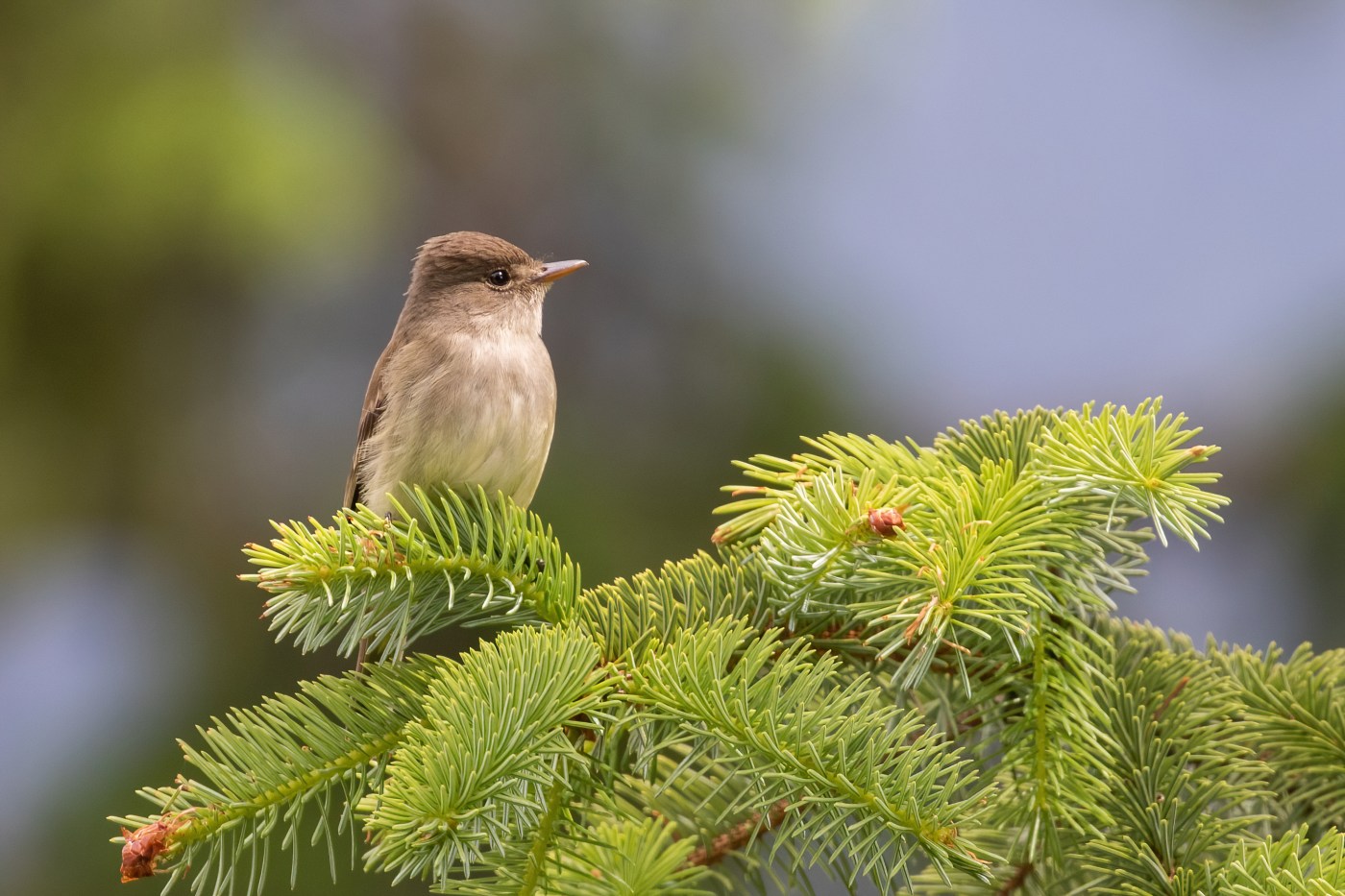
Has it been a year since I embarked on a solo adventure to the Arctic Ocean and Alaska? Yes. Am I sitting on my couch in Southern California in 2023? Yes. Do I still dream of tundra wildflowers, snow-capped mountains, expansive views, dirt roads, and the sweet sounds of boreal breeding birds? Yes, yes, yes, yes and yes! Have I given up on sharing some of my musings and finally editing my photos? NO. I did quite a bit of writing a long the way, so the big hold up has been on processing photos and finding the time to sit down and reflect (I did after all, have a bit of catching up to do after leaving the “real world” behind for 2.5 months!). So, here we are, almost a year to the day, and I’ve only gotten us as far as Hyder, Alaska! I left you off at beautiful Meziadin Lake Provincial Park, off the Cassiar Highway, so let’s start there….
13 June 2022, Day 17: Meziadin Lake Provincial Park to Stewart, BC and Hyder, AK
We departed Meziadin to drive ~40 miles west to Stewart, BC and then on to Hyder, AK. Highway 37A breaks here from the Cassiar Highway and winds through the incredibly scenic Bear Creek Canyon and into the snow-topped Coast Range Mountains – I lost count of how many waterfalls we passed along the way. This route takes you past over 20 glacier formations, including the Bear Glacier – the toe of which can be seen from a roadside pullout.
So far, we have not mastered the “get up and go” on this trip. Having driven ~2400 miles in less than 3 weeks solo, I am not going too be hard on myself about it. So, we lingered at Meziadin in the morning – enjoying the quiet and lake views as the RVs emptied out. The birds trickled in as they campers left: Warbling Vireo, Steller’s Jay (I could not get eyes on them, but they sure were calling – I can’t recall ever being a campsite where I heard, but did not see, Steller’s Jays!!), American Crow, Violet-green Swallow, Golden-crowned Kinglet, a singing Pacific Wren, Varied Thrush, Swainson’s Thrush, Dark-eyed Junco, American Robin, the now familiar Northern Waterthrush, Orange-crowned Warbler, and Yellow-rumped Warbler.

I arrived in Stewart, BC, mid-day – it’s an adorable and quaint small town nestled in a temperate rainforest at sea level surrounded by staggering mountain views. The communities of Stewart and Hyder are surrounded by the majestic coastal range of mountains and the Cambria Ice Fields which, taken together, offer up breathtaking scenery….and birds! I stopped only briefly to take advantage of cell reception, but my sights were set on Alaska! My 50th state! I drove into Hyder, dubbed “the friendliest ghost town in Alaksa”, which must be even more of a ghost town post-COVID. As I later learned from locals, they have not had any visitors for two years. The Canada customs only let the Alaskans cross to go into Stewart, to one designated grocery store, for essentials. One guy I chatted with hadn’t left in two years – but he assured me he was kept entertained by his 15 siblings (to put that in perspective, the year-round population of Hyder is ~35 people – that jumps up to ~80 for the summer).
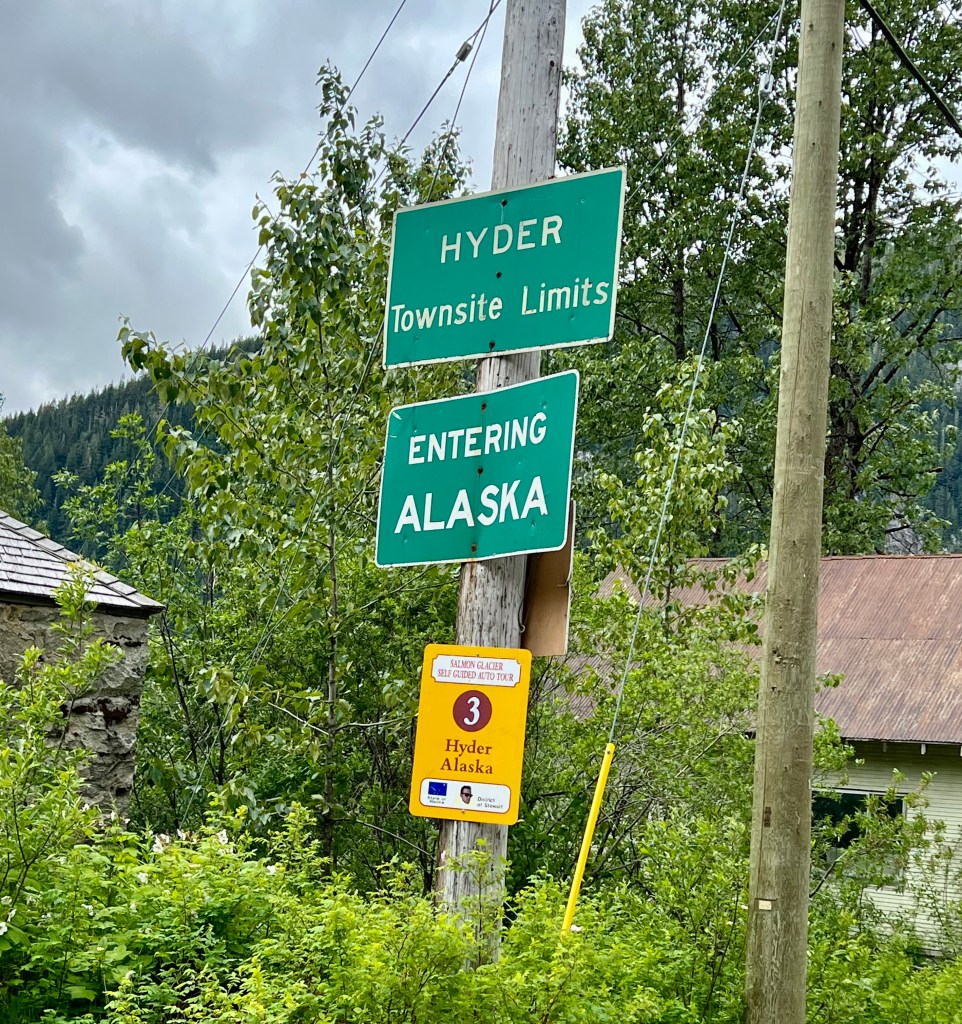
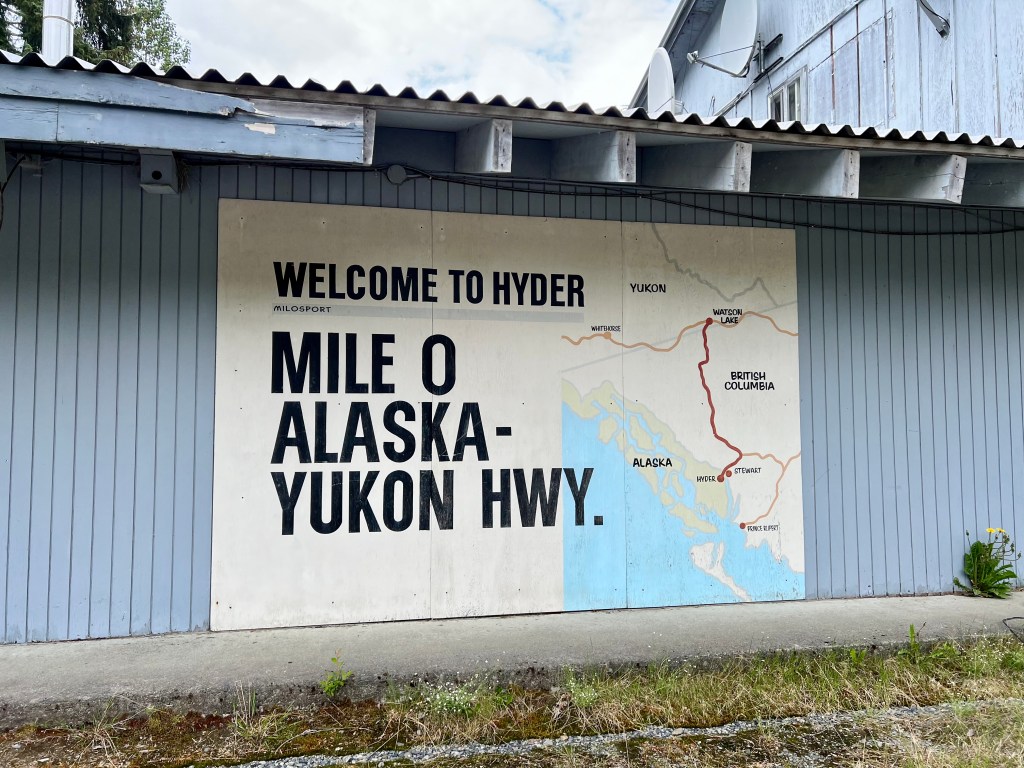
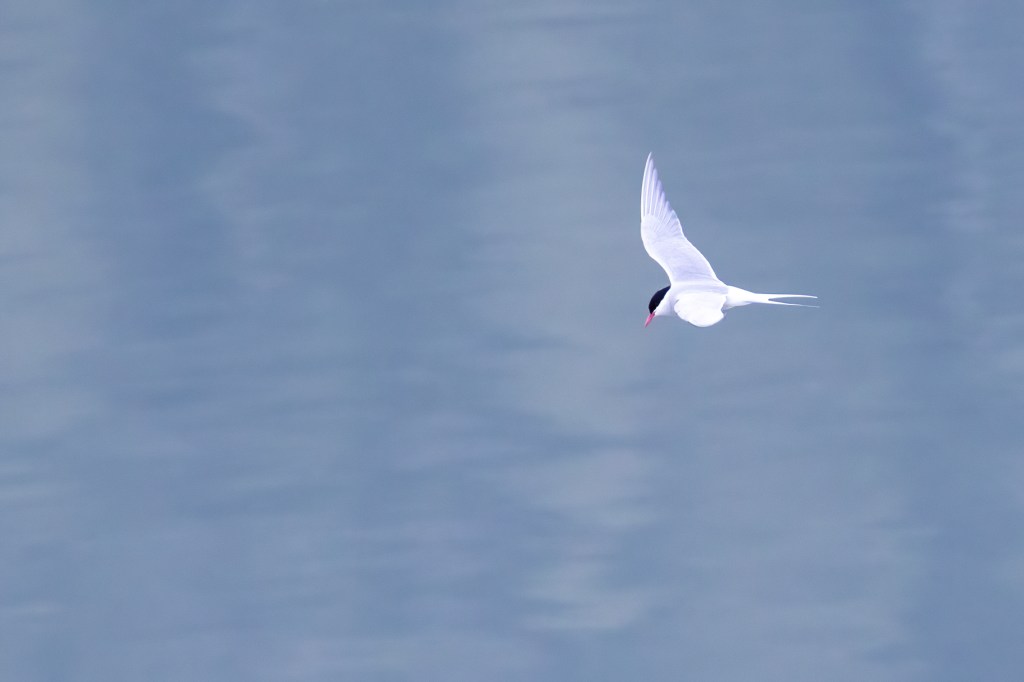
I digress – and admit that all that was on my mind at the moment of entering Hyder was, “What will my first Alaska bird be?”. I drove the short distance from the border crossing to the public boat ramp and tidal flats and, at first from a distance, I spotted three Arctic Terns, gracefully maneuvering and diving over the tidal flats and high tide. For several reasons, an appropriate first state bird.
I spent about an hour between the dock and the road into town and, unknowingly at the time, turned up a couple rare birds. First up: Short-billed Gull, Canada Goose, Northern Flicker, Warbling Vireo, Tree Swallow, Barn Swallow, American Robin, Pine Siskin, Savannah Sparrow, Yellow Warbler, and Song Sparrow. A lone Brown-headed Cowbird sang and displayed from atop a spruce – I soon learned (through texts with Marc Kramer) that this is an unusual sighting for Alaska. Marc has an impressive Alaska state list and quickly filled me in on other birds that are possible in Hyder but uncommon or hard-to-get in other parts of Alaska. I also found an out-of-range Least Flycatcher who, fortunately, was singing non-stop – otherwise, I would not have had the confidence to consider this a different-than-expected flycatcher. Once the “rare” designation popped up on eBird, I sent the audio file to Chris Brown for confirmation before uploading the sighting.
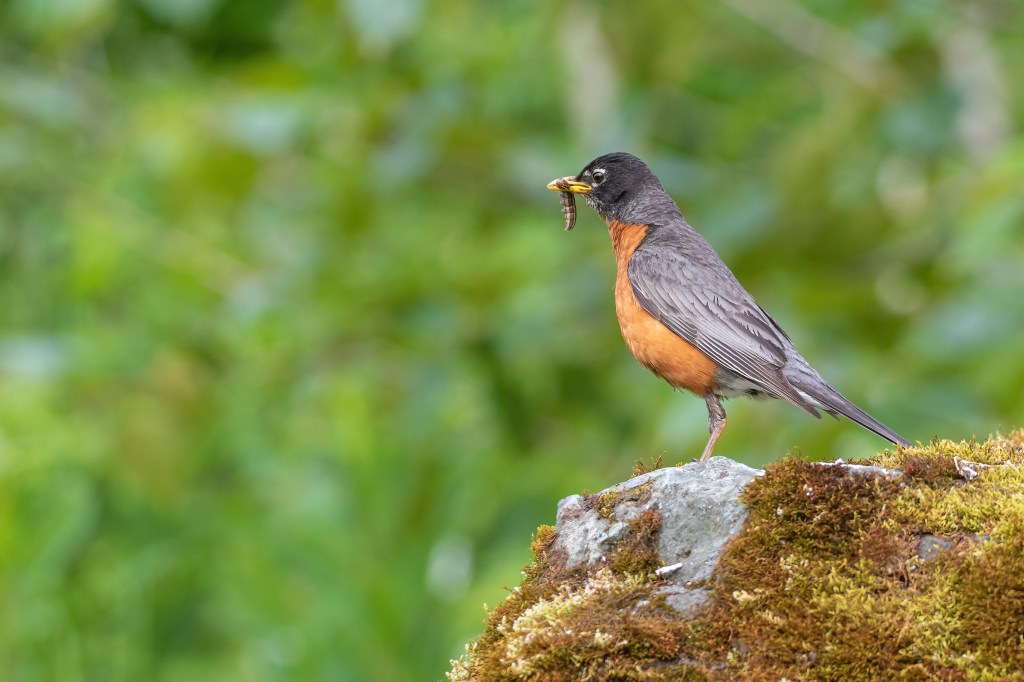
A quick stop at Moose Pond produced a lone Trumpeter Swan, one Mallard, a Common Yellowthroat, and Red-winged Blackbirds. I continued to Fish Creek – this Wildlife Viewing Area draws quite a crowd in the fall when both Brown and Black Bears come to feed on the coho, chum, and pink salmon which spawn in the creek. There is a lovely boardwalk/observation platform that I am guessing comes in quite handy when the bears are active in the creek. I was greeted by a pair of American Dipper, presumably nesting under the bridge. Otherwise, the area was pretty quiet at 1:00 in the afternoon – Golden-crowned Kinglet, Northern Waterthrush, MacGillivray’s Warbler, Yellow Warber, and Yellow-rumped Warbler. I headed out along the forest road past Fish Creek, making stops along the way. We watched a beautiful Black Bear amble across the Salmon Riverbed. At one point where the river seems to change course, I heard scream of a Red-tailed Hawk and spotted a lone Steller’s Jay and Vaux’s Swifts circling high overhead.
I made one more quick stop at the tidal flats before heading back to Stewart, to spend the night at Rainey Creek Campground. I had planned to stay at camp run-a-much in Hyder, but it was totally empty and a bear had clearly recently gotten into the trash, so I opted out. Our camp spot was nestled along a fern-lined creek in a temperate rainforest filled with the sounds of Varied Thrush, Pacific-slope Flycatcher, and Golden-crowned Kinglets.
Just when I thought the day couldn’t get any better, we walked over to the Stewart Boardwalk that leaves from the visitor center and winds through the estuary that connects Stewart to Hyder. Alder Flycatchers and Savannah Sparrows were singing, and a Lincoln’s Sparrow popped up for a quick look, but the highlight was the overwhelming number of Chocolate Lilies – a different species, of course, than what we have in California: Fritillaria camschatcensis (Rice Lily or Kamchatka Lily).

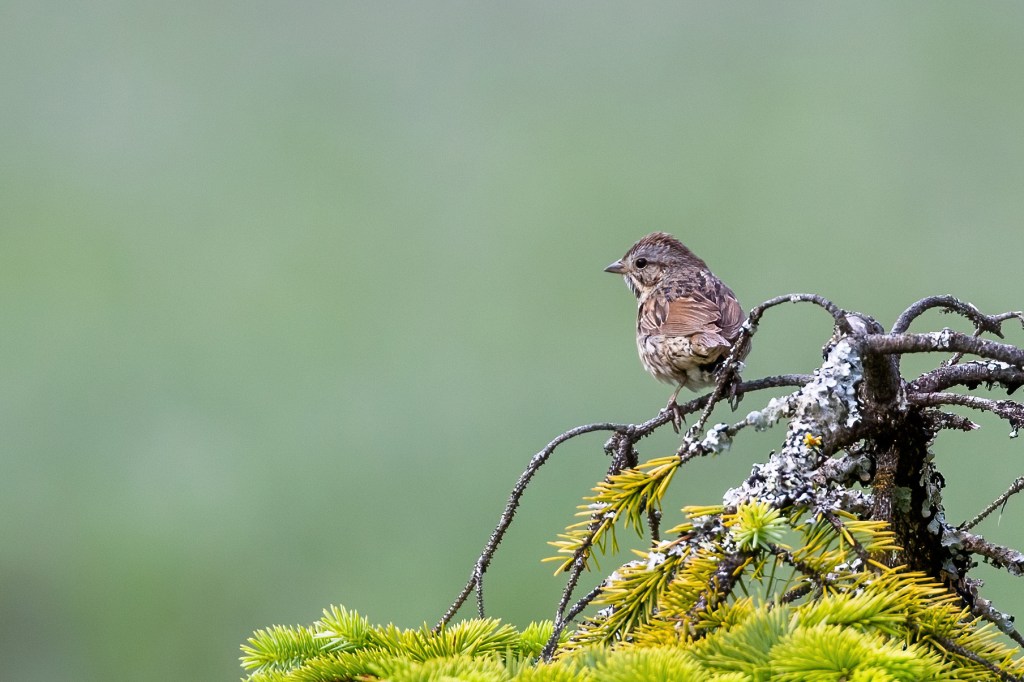
Other birds: Canada Goose, Rufous Hummingbird, Wilson’s Snipe, Violet-green Swallow, Bank Swallow, Barn Swallow, Hammond’s Flycatcher, Common Merganser, Orange-crowned Warbler.
14-15 June 2022, Days 17- 18: Hyder, AK, and Stewart, BC
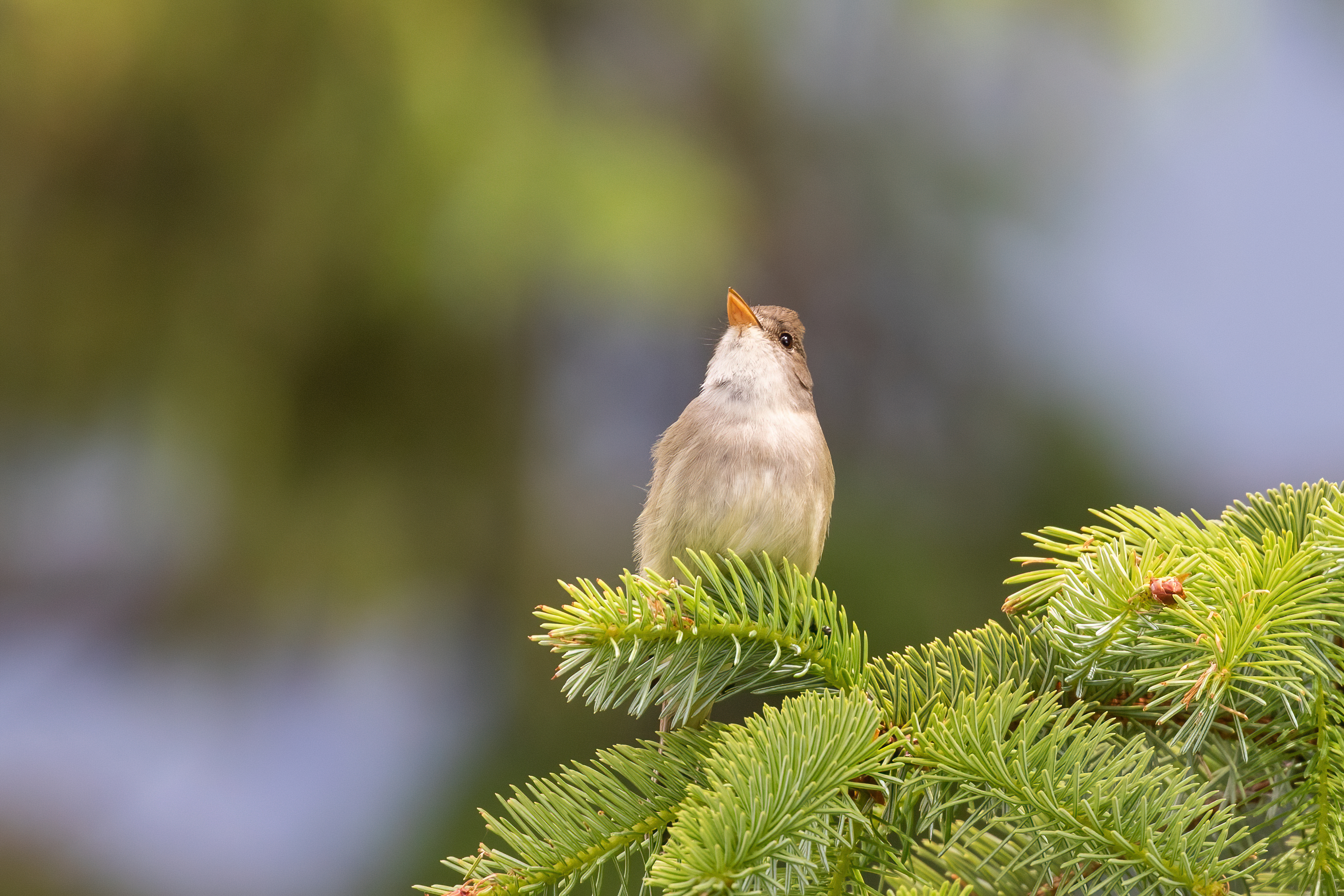
Back to Hyder! Yesterday’s Least Flycatcher was singing away, but today was joined by a vocal and cooperative Willow Flycatcher – a great bird for Alaska, and just a bit north of its expected summer range.


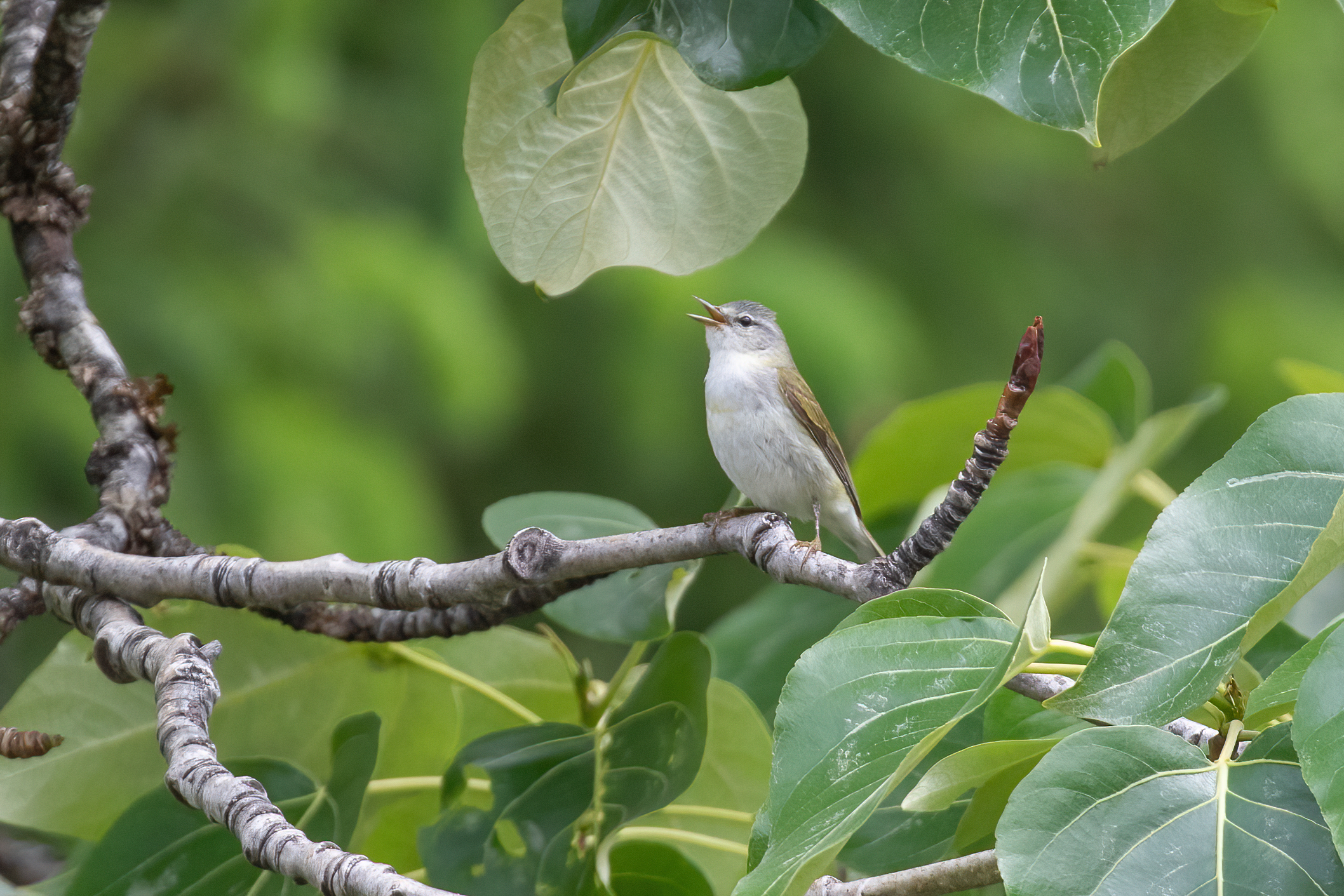
A few other highlights from a fantastic couple of days (yes, I am still in Hyder!):
- Tennessee Warblers breed in boreal forests throughout Canada but are another great bird for Alaska!
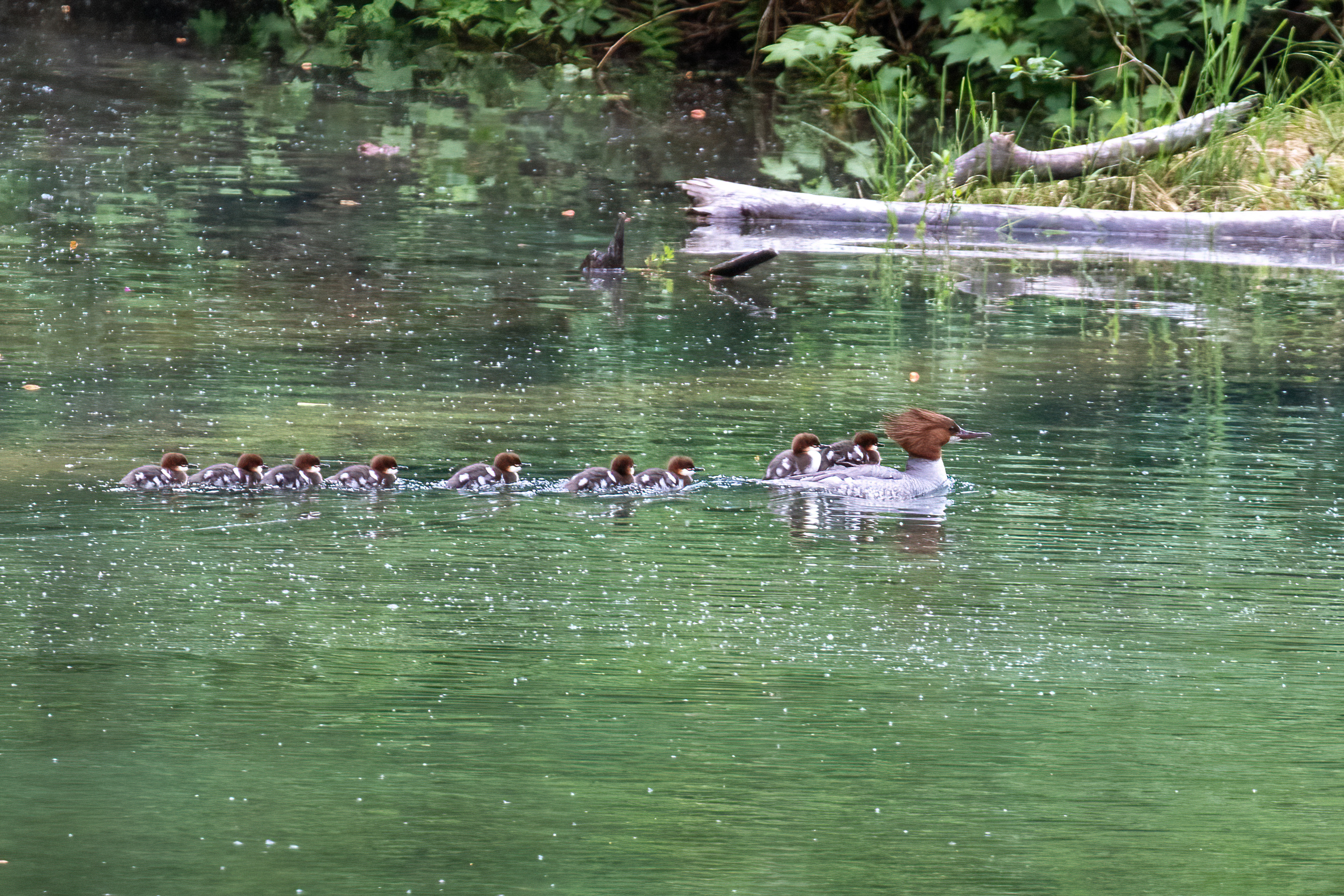
- Fish Creek: No bears, but a large family of Common Mergansers, nesting American Dippers, and an American Redstart.
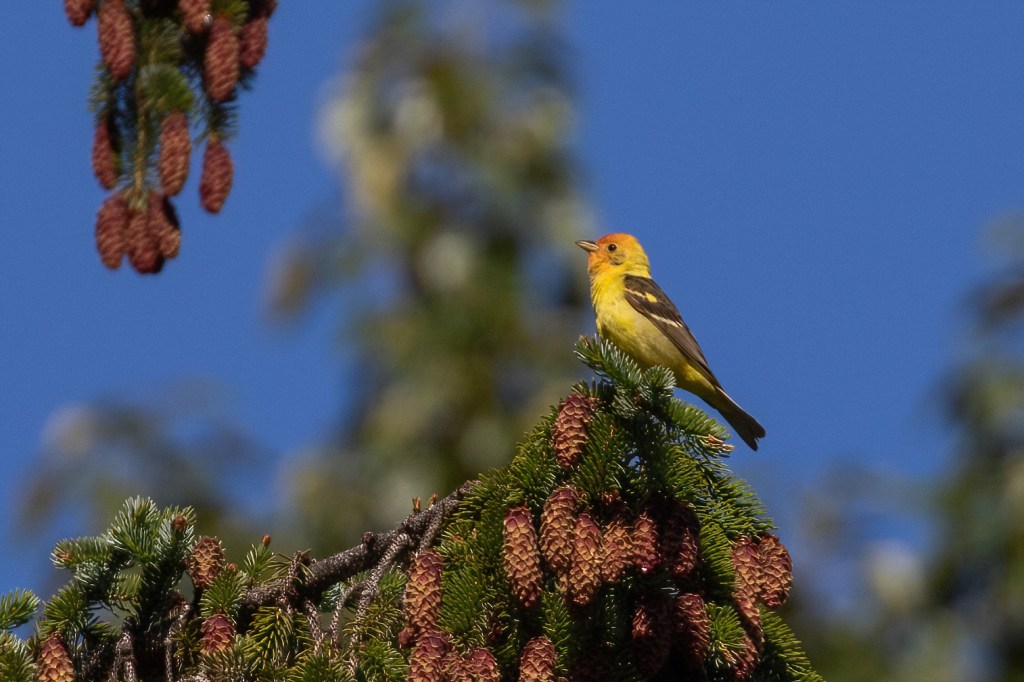
- Great birds continue around town and tidal flats: Western Tanager, Brown-headed Cowbirds, Black Swifts, Ruffed Grouse, and still in awe of Artic Terns.



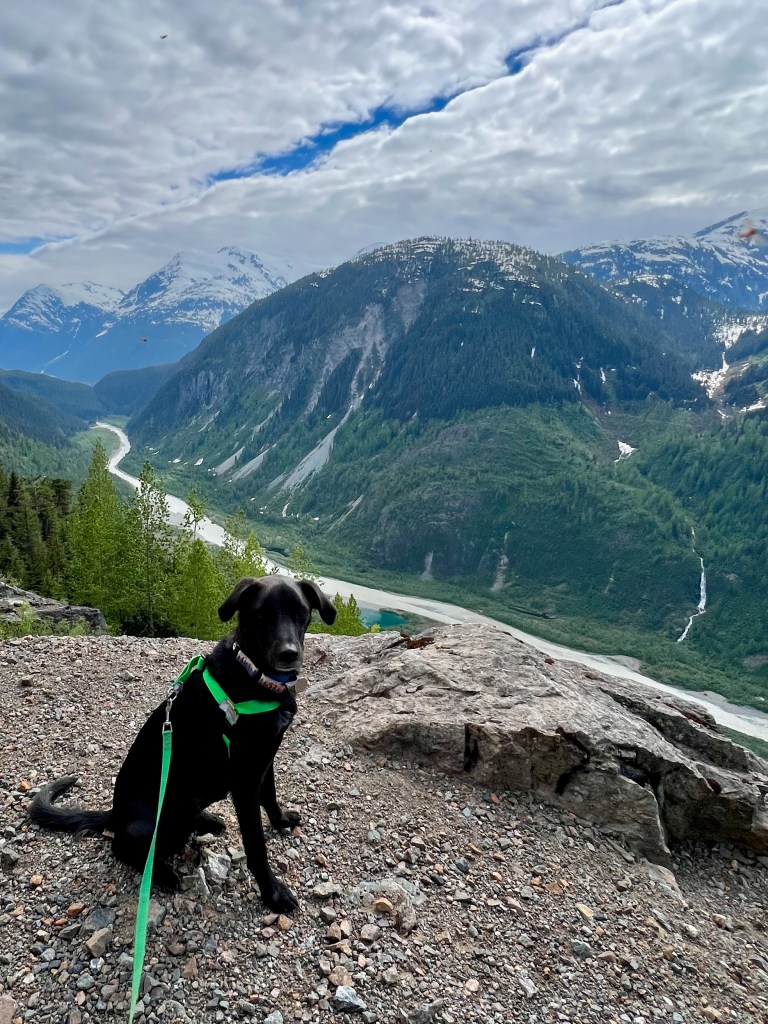
From Fish Creek, I took Salmon Glacier Road, which winds back across the border of British Columbia. The road offers staggering views and parallels the Salmon River for a portion of its extent. There seems to be a significant amount of mining still occurring in this area and, sure enough, I passed by the Premier Mine – located on the eastern slope of the Salmon River Valley. A few miles beyond the mine, the road starts to climb up, affording breathtaking views of this glacial carved valley. From the Summit Viewpoint, Sooty Grouse boomed while I was taking in the dramatic views of the Toe of the Salmon Glacier. The Salmon Glacier, I learned, is the fifth largest glacier in Canada.



16 June 2022, Day 20: Stewart, BC to Lake Kinaskan Provincial Park, Cassiar Highway, BC
It has been a challenge to leave the Hyder/Stewart area – it seems that each time I venture out in Hyder, I find new birds (and I know I could find a Northern Rough-winged Swallow with a bit more effort!). But the time has come. I am guessing that, as I head north, there will be more and more places inviting me to stay longer. I had planned to head into Hyder this morning, but decided I needed some down time at the campsite (and some time with internet to handle a few work things and finalize some plans). I am glad I opted for some time in this little corner of temperate rainforest that is Rainey Creek Campground as I really enjoyed this morning’s assortment of birds: Varied Thrush, Pacific Wren, Sooty Grouse, Hammond’s Flycatcher, Pacific-slope Flycatcher, Chestnut-backed Chickadee, MacGillivray’s Warbler, Townsend’s Warbler, Rufous Hummingbird and, of course, the ever-present American Robin.
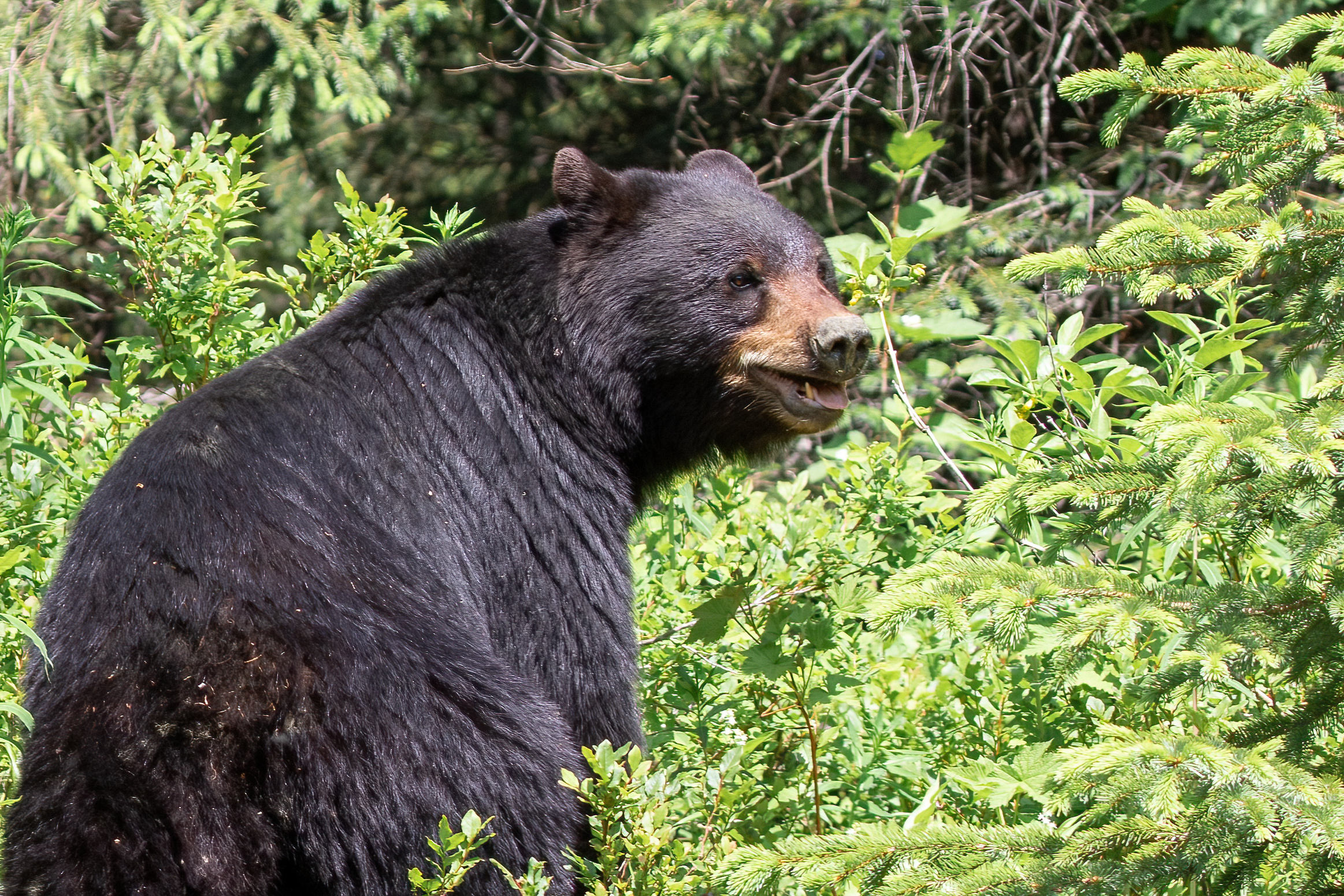
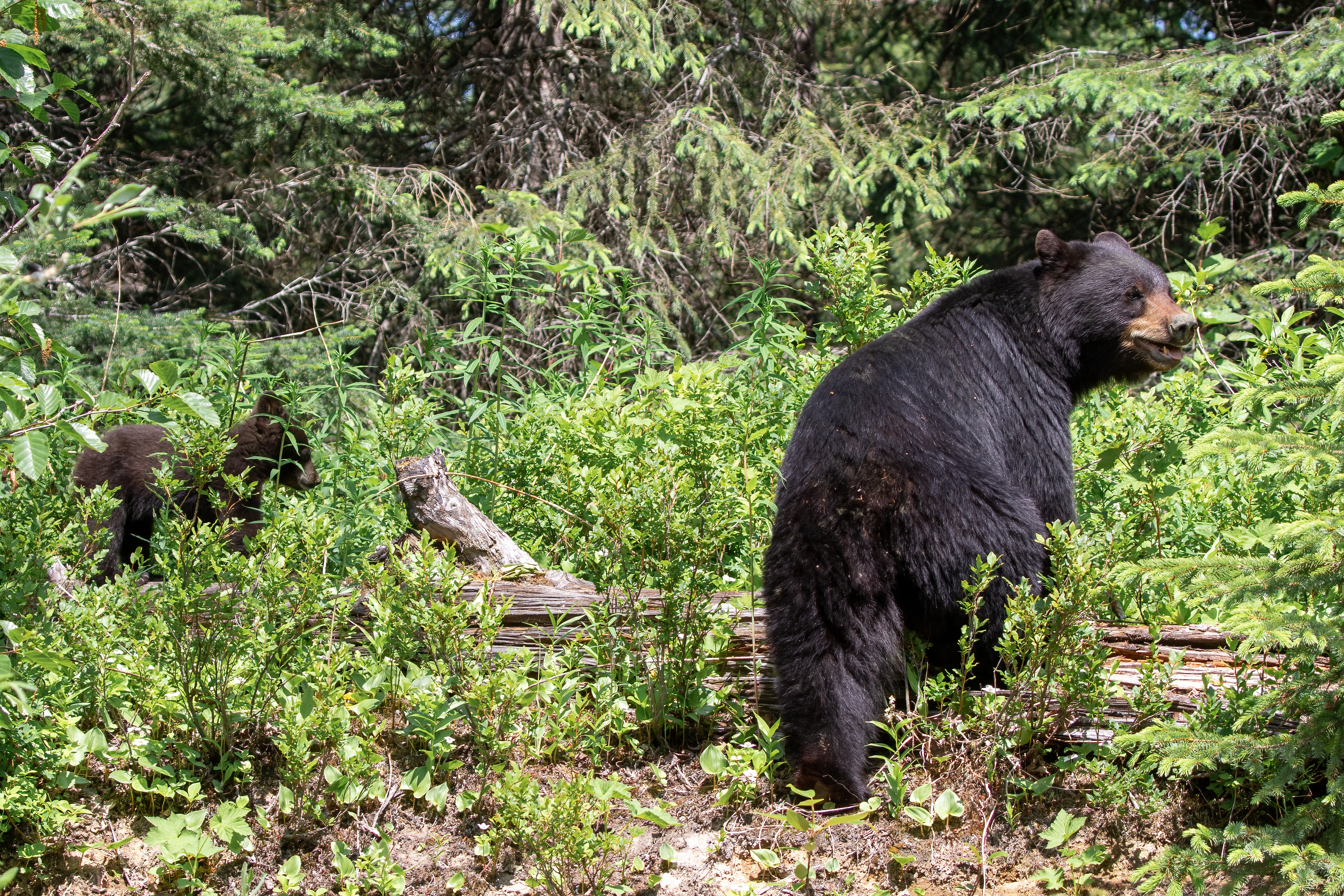
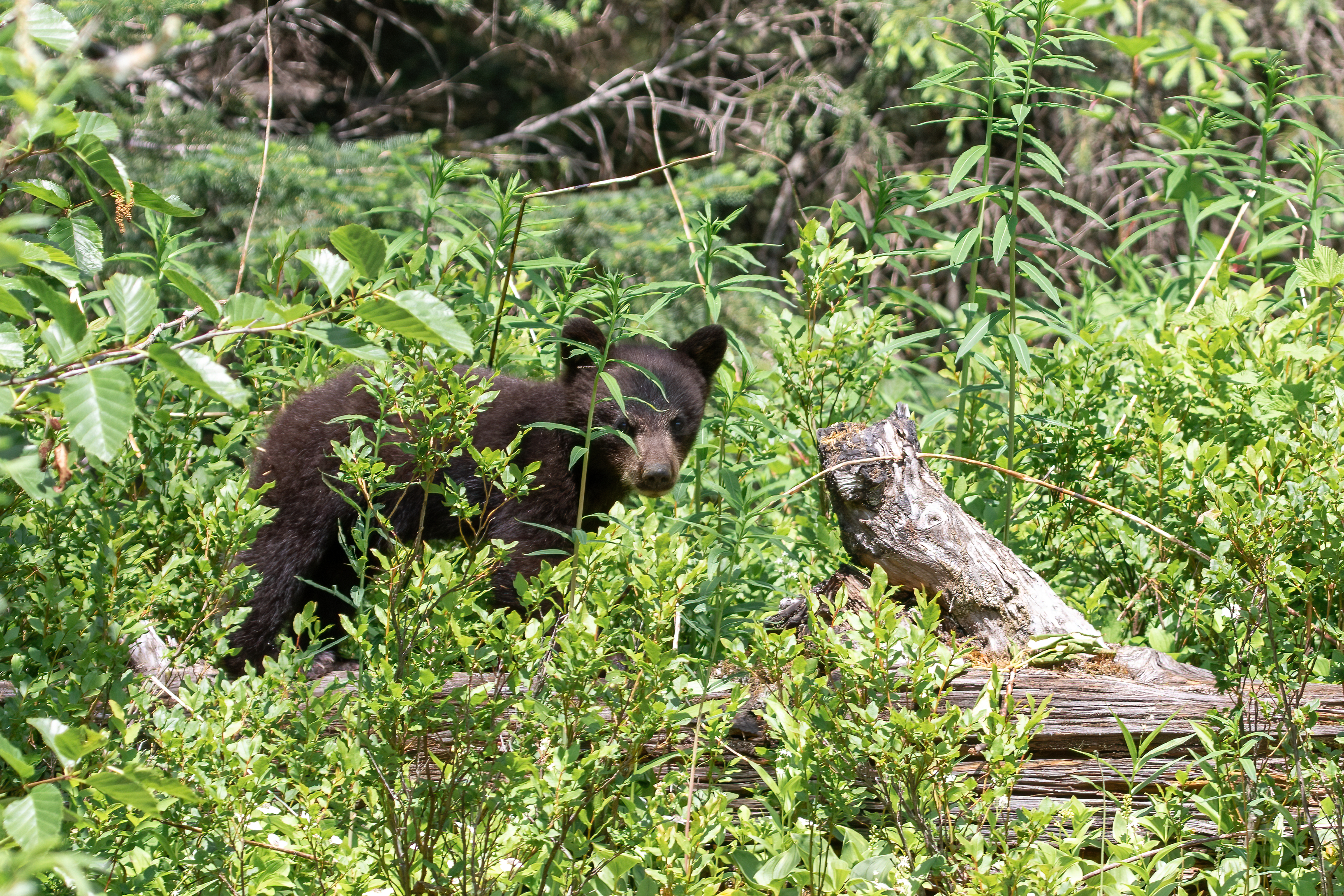
I enjoyed the drive back to Meziadin Junction, this time stopping at Bear Glacier to enjoy the view and snap some photos. As I headed north on the Cassiar Highway, the views somehow become even more stunning. This portion of the highway offers spectacular perspective of the coast ranges with green as far as the eye can see. The road is easy to drive, but resources are few and far between and in some parts the road narrows with no shoulder. We upped our bear count to 7 – one black bear standing on the side of the road quickly scampered once viewing my truck, a second bear casually feed in the ditch roadside. The highlight was a mama bear with a single cub feeding right off the road – I was able to pull over and snap a few photos before they nonchalantly ambled back into the forest. Pipit didn’t even notice their presence, which is exactly how I hope all our bear encounters go!
The wildflowers along the road were breathtaking – I need to start working on my wildflower ID. I’m assuming the abundant white daisies are Coastal Fleabane (Erigeron peregrinus), but I’ll have to get a closer look. Large swaths of these cheerful flowers are interspersed with Western Columbine (Aquilegia formosa) and the introduced Common Dandelion. Interspersed with this trio of white, red, and yellow are clumps of lupines (I have to look closer to differentiate Arctic Lupine and Nootka Lupine – I think Nootka Lupine (Lupinus nootkatensis) is more common in the coastal mountains of BC).
Along this portion of the Cassiar Highway, the forest is beginning to transition to northern Boreal Forest, dominated by White and Black Spruce….leaving behind the southern mix of cedars and hemlock. Black and White Spruce alternate with extensive stands of aspen and stunted Lodgepole Pine.
We arrived at Kinaskan Lake PP in the late afternoon and chose a beautiful lake front spot, with no neighbors. The views of this massive lake with the coast ranges in the distance is just spectacular. A stunning male Barrow’s Goldeneye along with two females spent the evening not far offshore from our campsite. Bird activity was quiet – Dark-eyed Junco, Ruby-crowned Kinglet, American Robin. I *think* I heard an American Tree Sparrow – I believe we are still a bit south of their breeding grounds, but I am excited at the prospect of perhaps seeing this lifer sparrow in the morning!


17 June 2022, Day 21: Kinaskan Provincial Park to Boya Lake (Tā Ch’il ā Provincial Park), Cassiar Highway, BC
Kinaskan Lake is a dreamy place to stay. Most of the campsites are quite private – even when close together, they are separated by dense willows and aspens. We walked the campground and the Kinaskan Lake trail – the highlight of which was a beautiful trailside Calypso, or Fairy Slipper. This striking orchid was in peak bloom, all pinks and mauves with a delicate lip, or “slipper”. Any day with a wild orchid is bound to be a good day! Bird activity was relatively quiet, but picked up along the trail – Spotted Sandpiper, Common Loon, Warbling Vireo, many singing Ruby-crowned Kinglets, American Robin, Chipping Sparrow, Dark-eyed Junco, Northern Waterthrush (I am glad I’ve finally learned this song), American Redstart, and Yellow-rumped Warbler. I am relying on my ears quite a bit in these dense northern forests.


Eastern Fairy-Slipper (Calypso bulbosa var. americana)
The Cassiar Highway continues to impress, as I head north toward Boya Lake (Tā Ch’il ā Provincial Park). I passed very few cars along this ~270 km stretch and enjoyed stunning views all along the way – with the surrounded forest seemingly becoming more and more stunted and more and more “boreal”. I passed Grant Pass Summit – this is the highest point on the Cassiar Highway, at 4072’. The snow-capped peaks of the coast ranges are in view all along the Cassiar.
We arrived at beautiful Boya Lake and I could immediately understand why several folks along the way have warned that I would want to stay for more than one night. The glacial lake is stunning…crystal clear turquoise water as far as the eye can see (maybe on tomorrow’s hike I’ll get a better sense of how large the lake is). From my campsite, I can see a small island covered with spruces and, beyond that, mountain views. I couldn’t get a lakefront spot, but I am happy with my private little nook nestled in an aspen grove. We have beautiful views of the lake perched on a little hill here, but the view is partially obstructed by other campers. I guess I’ve gotten spoiled by my last couple of spots!
Birds have been quiet in the late afternoon and evening…but I did have a couple highlights. The juncos have changed! I have officially transitioned out of the “Oregon” Dark-eyed Junco zone and into the “Slate-colored” Dark-eyed Junco zone. This likely happened further south – at Kinaskan, I heard and saw DEJU tails but never got a full look. Once I have access to reception (and my sparrows workshop notes!), I need to refresh my memory about these subspecies. Of course, the trip started with “Oregon” juncos and based on their breeding range maps I likely had shufeldti in southern BC (i.e. EC Manning Provincial Park and Lac La Hache), oreganus in Hyder/Stewart, and cismontanus in this portion of BC. I will be sure to get some photos tomorrow because it looks like I’ll encounter yet another subspecies in Yukon and Alaska – hyemalis. A group of 4 Canada Jays flew through while I was walking Pipit….up to this point, I’ve only encountered them one other time – my first day in Canada, upon arriving at Manning PP. Where are the Fox Sparrows and White-crowned Sparrows?!?!
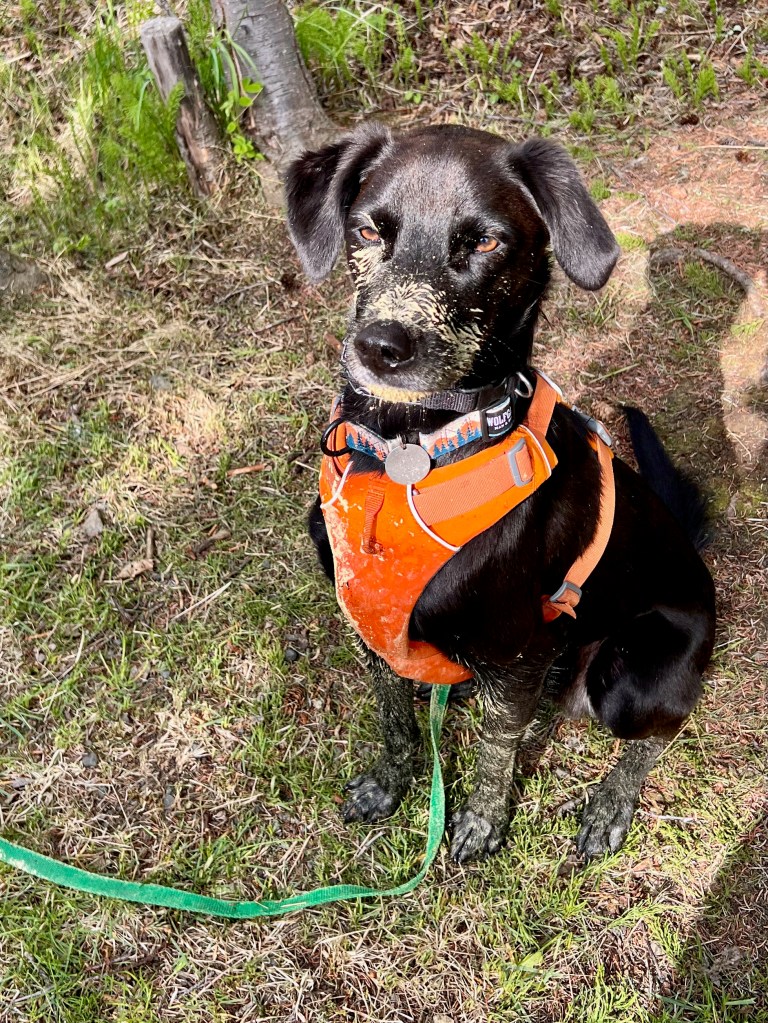
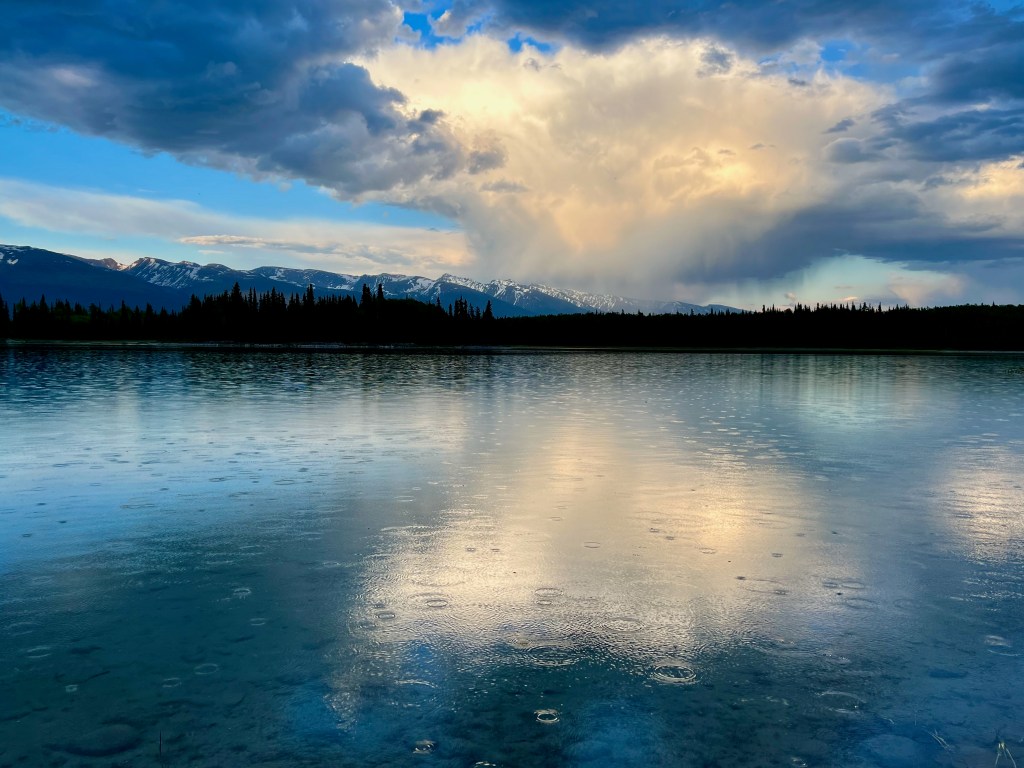
Pipit had a nice day too – he spent the morning romping in the gentle waves of the lake at our campsite. He has yet to swim but enjoys wading and hunting for sticks and rocks. He had a fantastic and playful romp with the park ranger’s rottweiler mix. He is not a fan of the mosquitos – at around 7:30 when I opened a beer and sat down with a book, Pipit let himself into the camper and promptly fell asleep. I woke him up for a quick walk before he officially retired for the night – we enjoyed the incredible reflection of the sunset on the perfectly still lake broken only by the sounds of a Spotted Sandpiper flying just above the surface of the lake and landing a bit further up shore.

18 June 2022, Day 22: Boya Lake (Tā Ch’il ā Provincial Park), Cassiar Highway, BC
I wasn’t sure if I would spend one or two nights at Boya, but when the crowds cleared out this morning and a prime lake front spot became available, the decision was made. It was a blissfull morning…Pipit and I had our own private beach for some time. He was ecstatic to play with the tennis ball along the shore. I enjoyed a refreshing swim…the water was quite cold, but tolerable and it felt so good to submerge in water (I won’t count the days since I’ve showered….). I tried to teach Pipit to swim…. he has such a strong interest in the water and with his webbed feet I thought he would be a natural. I was wrong, he was pitiful. It was clear he wouldn’t get in on his own, so I brought him in with me, using his harness as a float. He seemed to instinctually know what do to with his front paws…the doggy paddle, but his back legs were all panic and flail. He seemed quite relieved when I returned him to shore.


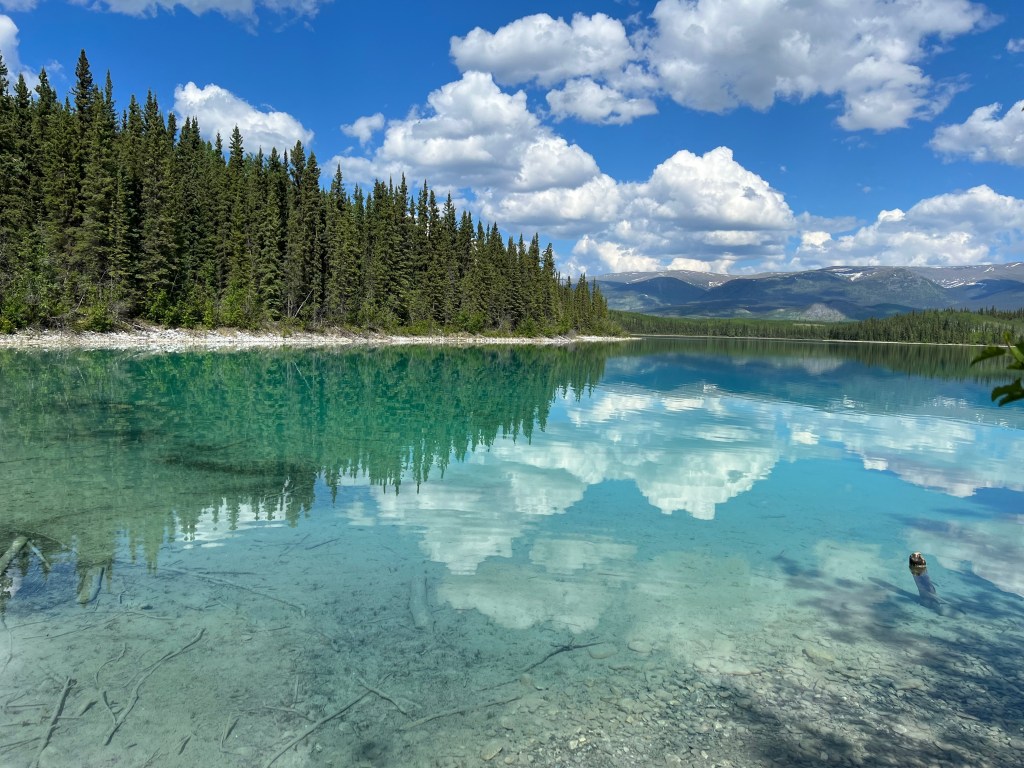
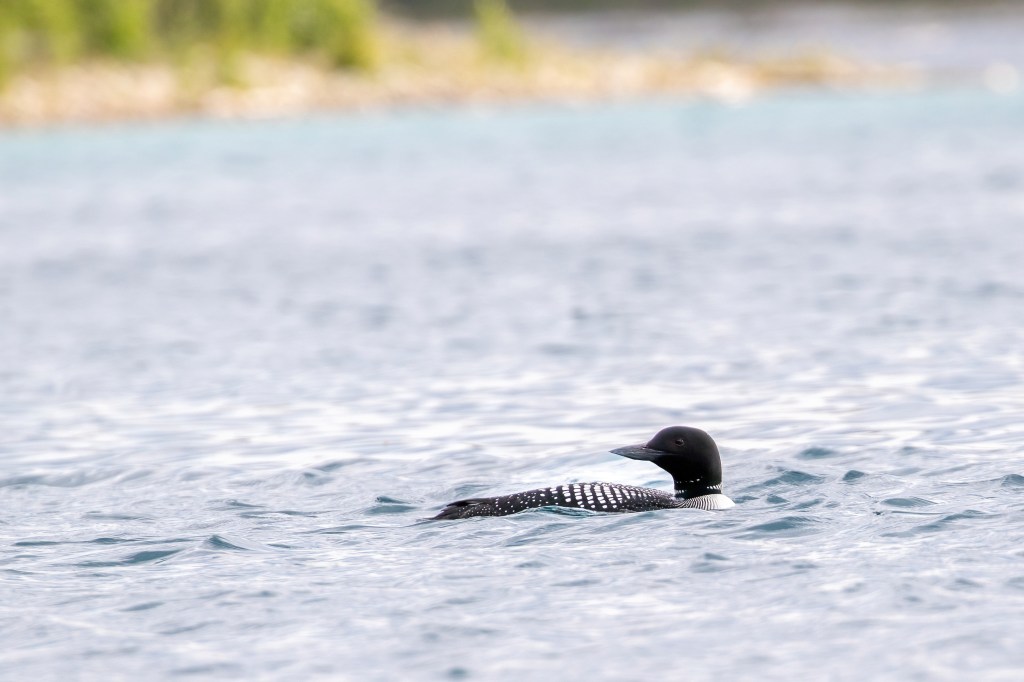
We went for an afternoon walk on the loop-trail that leaves the campground and meanders along the lake shore. From this perspective, I got a better sense of the immensity of this glacial lake with no fewer than 6 islands scattered about. The clarity and color are beyond description. We had an up-close encounter with a Boreal Chickadee and heard several Ruby-crowned Kinglets and Yellow-rumped Warblers along the way. I heard an urgent cacophony of squealing calls as ~ 7 Short-billed Gulls flew in and landed on a nearby shoreline….they seemed to be, in part, worked up over a pair of Arctic Terns – I believe we are a bit out of their range, but Artic Terns they were!
Beautiful wildflowers along the trail: lupine, wild rose, and Cut-leaf Anemone (Anemone multifida) and a spectacular abundance of Swallowtail butterflies.
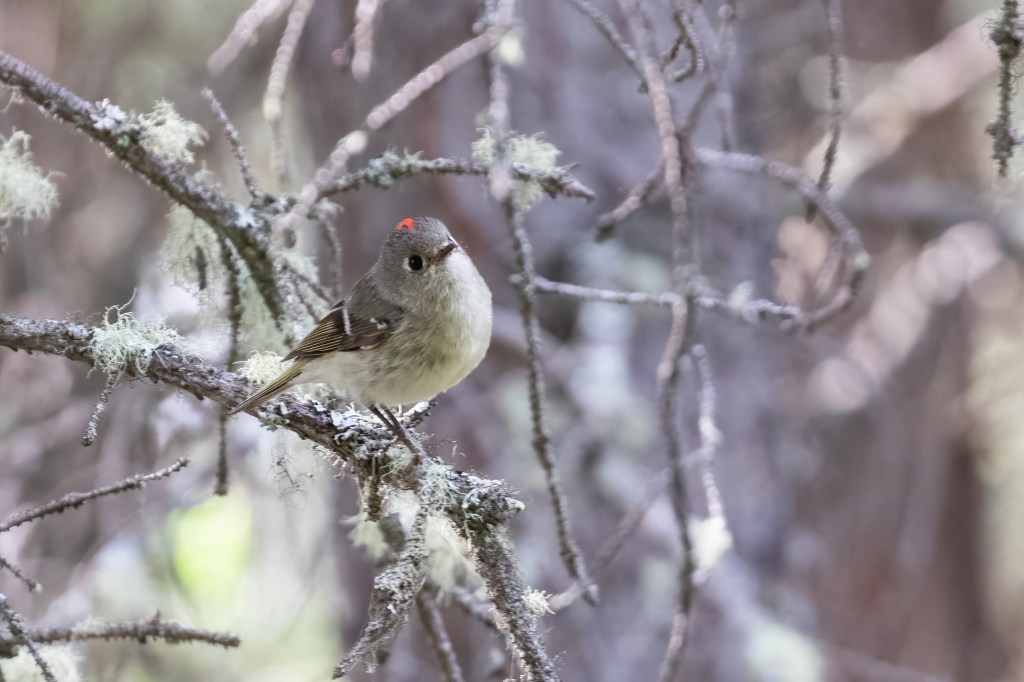
We got just enough rain to make for some spectacular clouds and covers over the Coast Range Mountains – not quite sunset colors, as its 10:30 PM while I write this and still light out.
Other birds: Spotted Sandpiper, Belted Kingfisher, Common Raven, American Robin, Dark-eyed Junco (Slate-colored), Chipping Sparrow, Common Loon, Warbling Vireo.
19 June 2022, Day 22: Boya Lake (Tā Ch’il ā Provincial Park), Cassiar Highway, BC to Teslin, Yukon
Last day on the Cassiar! Departed Boya Lake and returned to the Northbound Cassiar Highway, crossed the border into Yukon in the late afternoon, and arrived at Teslin Lake.
Bears, Bears, Bears, along the way.
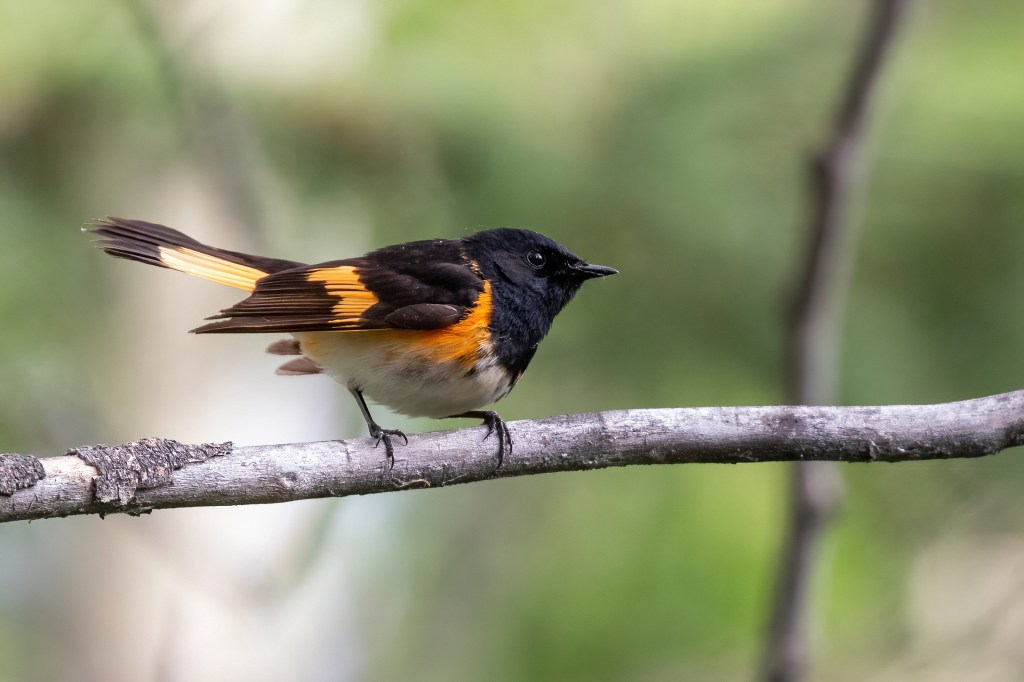
American Redstart sharing my campsite.


Up next: Skagway, Carcross, and to the Dempster!!!
Other birds: Swainson’s Thrush, Common Loon, Short-billed Gull, Common Raven, American Robin, Chipping Sparrow, Olive-sided Flycatcher, Northern Waterthrush, Brown-headed Cowbird, Yellow Warbler, Alder Flycatcher, Ruby-crowned Kinglet, Warbling Vireo, Dark-eyed Junco, Spotted Sandpiper.


 Feathers & Flora
Wow and WOW!! What a beautiful adventure and photos — incredible!
LikeLike